
Where classical wisdom
meets living reflection
A quiet space to read the Quran word by word, follow the prayer, and sit with scholarship that has guided hearts for a thousand years.
Read the Quran word by word — tap any word for its root, its morphology, and its sound in English, French, Urdu, and Portuguese. Follow the five prayers on a living dial. Trace a hadith through Bukhari and Muslim. And let the classical authorities walk beside you as you reflect.
Latest Articles
New reflections weaving classical Arabic lexicography, Quranic numerical symmetry, and timeless commentary.
All Articles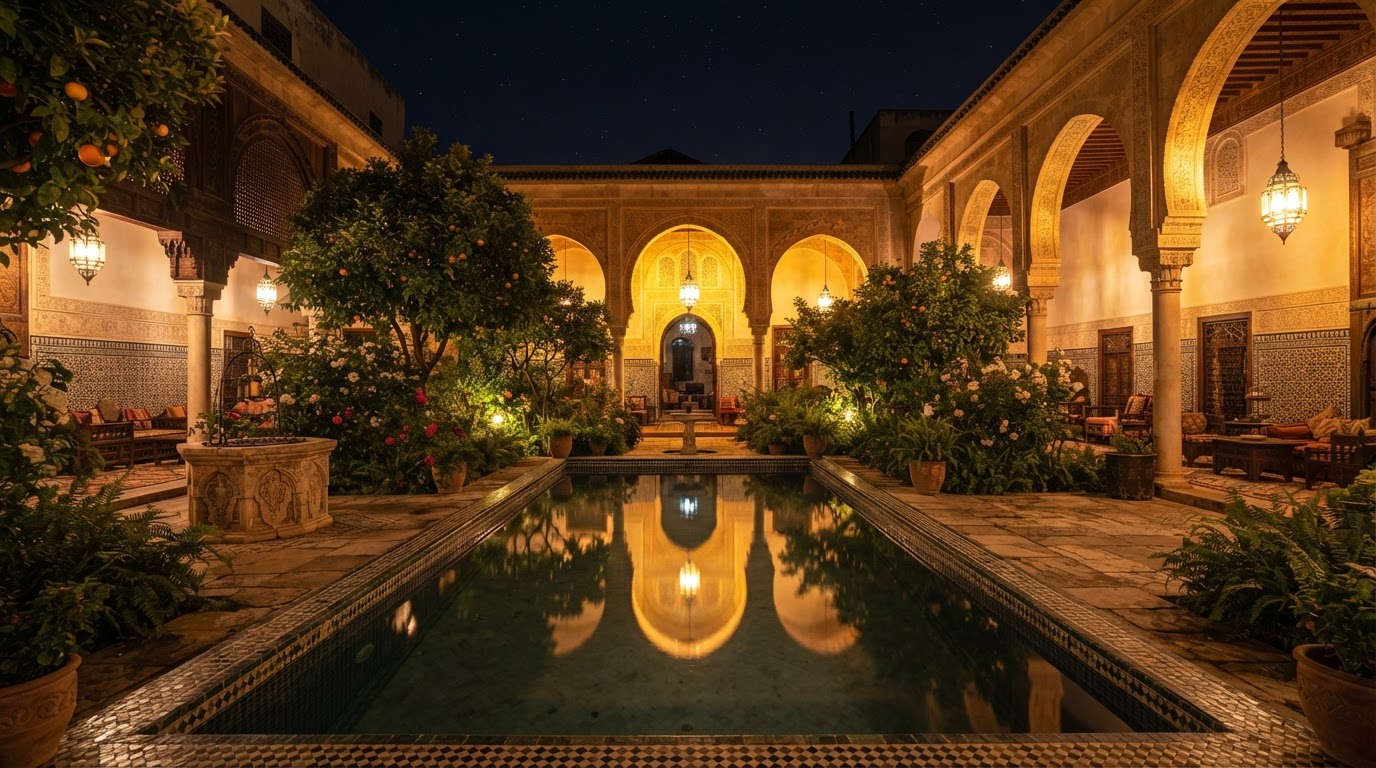
Rest of the Articles
Deep-dive thematic studies, lexical root breakdowns, and classical perspectives spanning Al-Tabari, Ibn Ashur, and Al-Ghazali.
Browse All (3)
Living the Opening: Inner Meanings of Al-Fatihah
Why the seven oft-repeated verses are termed the Umm al-Kitab (Mother of the Book)

Surah Al-Asr: The Ledger of Human Time
Imam Al-Shafi'i's observation that this three-verse surah alone suffices mankind
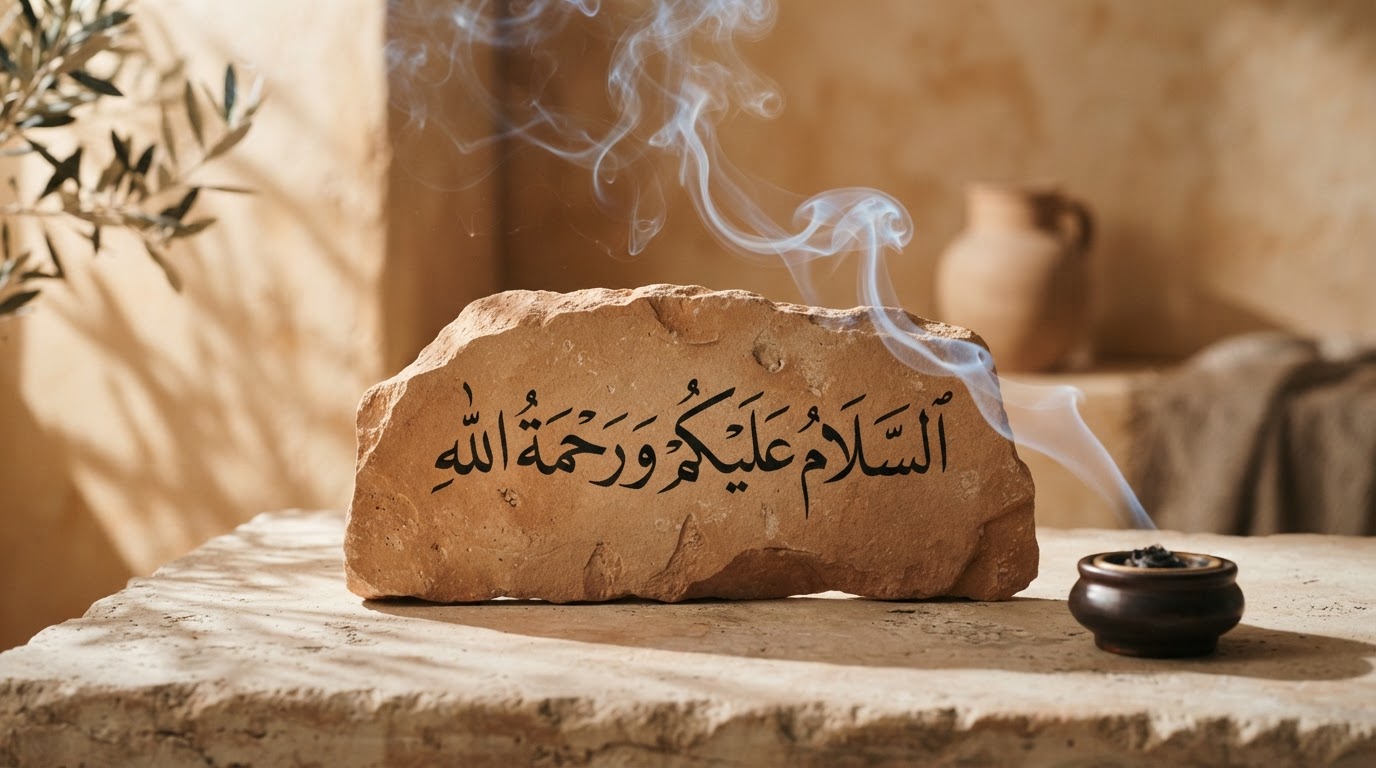
Ayat an-Nur: The Parable of the Lamp
Al-Ghazali's Mishkat al-Anwar on the glass, the olive tree, and the oil that almost glows
Inside the Mizan App
Engineered with a minimalist editorial aesthetic, responsive native feel, and deep classical Arabic integration.
Every Word Unfolds Its Root
Tap any word in authentic Uthmani script to instantly slide down its classical root (جذر), maternal etymology, contextual usage in the ayah, and verified audio recitations in English, French, Urdu, and Portuguese.
- Interactive word audio & recitation controls
- Etymology grounded in Ibn Faris & Al-Raghib
- Inline sliding drawer with synonyms & transliterations
- Community reflection feeds directly beneath every ayah
بِسْمِ ٱللَّهِ ٱلرَّحْمَٰنِ ٱلرَّحِيمِ
Etymology: Originating from Rahm (the womb) — conveying an all-encompassing, nurturing grace that sustains all creation unconditionally.
The Apparatus
Word-by-word Quran
Root, morphology, audio in EN · FR · UR · PT.
Courses
Turn a video or PDF into a full course with exams.
Hadith library
Bukhari, Muslim, Abu Dawud, Muwatta, Nawawi, Qudsi.
Notebooks
Collect ayahs and hadith into scholarly synthesis.
The Living Day
The day turns around five pillars of prayer. Mizan follows the sun — sunrise, noon, afternoon, sunset, and night — and marks the quiet hours of Tahajjud and Duha beside them. Allow your location to see the dial live.
Begin your study today
Open the app for prayer times, word-by-word reading, and your personal notebooks — or explore the growing archive of reflection.